2026-11-11 · Mike Kowalski
Water Damage Considerations for Older Homes in Buffalo Neighborhoods
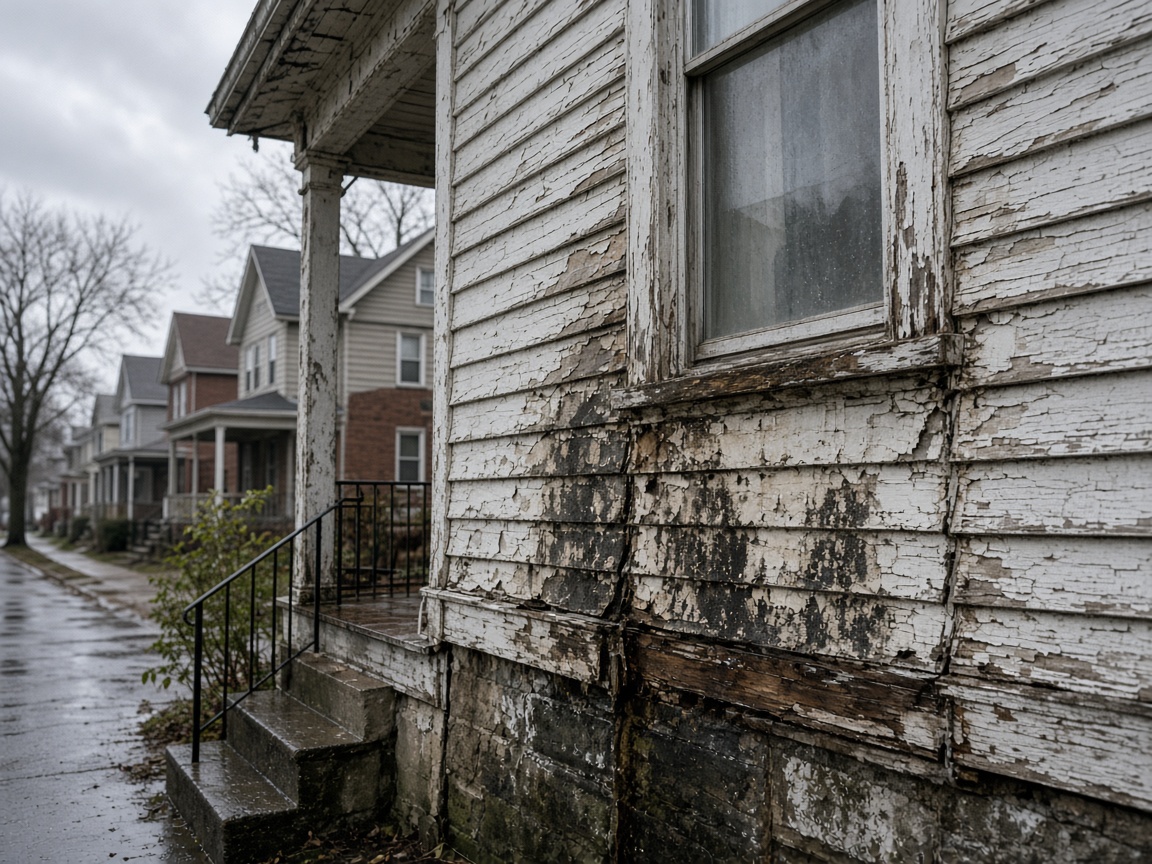
Older homes in Buffalo neighborhoods such as Allentown, Elmwood Village, and Black Rock often experience water damage from burst pipes and roof leaks due to decades of freeze-thaw cycles in the humid continental climate. Lake-effect snow adds 80–100 inches of accumulation most winters, driving repeated expansion and contraction that stresses original plumbing and masonry. Homeowners in these areas should inspect attics and basements each fall before temperatures drop below freezing.
Aging Plumbing Systems in Pre-War Housing Stock
Many homes built before 1940 in North Buffalo and University Heights still rely on galvanized steel pipes that corrode from within after 50–70 years. When these lines fail during a January cold snap, water can release 5–10 gallons per minute until shut off, saturating plaster walls and oak floors. Checking shutoff valves at the main and knowing the location of the water meter in the basement reduces response time. Properties near Delaware Park often sit on clay-heavy soil that retains moisture longer, increasing the chance of seepage through foundation cracks that form as the ground heaves.
Foundation and Basement Vulnerabilities Near Canalside and Riverside
Homes in Riverside and Broadway-Fillmore frequently rest on rubble foundations laid before modern waterproofing standards. Spring snow melt from Erie County winters sends runoff toward lower elevations, pushing water against these older walls. A single 2-inch crack can admit enough water to cover a 200-square-foot basement floor within hours. Installing French drains or sump systems becomes necessary once water appears more than twice in one season. Checking grading around the home so soil slopes away at least 6 inches over 10 feet prevents most surface water entry.
Roof and Attic Issues in South Buffalo and Kaisertown
Slate and asphalt roofs on homes in South Buffalo and Kaisertown reach the end of reliable service after 25–35 years. Ice dams form along eaves when attic insulation allows heat to escape, melting snow that then refreezes at the gutter line. Meltwater backs up under shingles and soaks ceiling plaster below. Clearing gutters before the first heavy snow and adding attic ventilation reduces ice dam formation. When leaks appear, prompt drying prevents mold growth in the dense plaster and lathe common to these neighborhoods.
Seasonal Patterns and Practical Response Steps
Buffalo’s winter freeze-thaw cycles repeat 30–40 times each year, stressing joints in cast-iron waste lines under Lovejoy and Kaisertown homes. When a line cracks, sewage can back up into floor drains. Keeping an eye on floor drain covers for slow drainage before heavy snow arrives catches problems early. After any water event, removing standing water within 24–48 hours limits secondary damage to subfloors and trim. For guidance on preventing frozen pipe bursts, review Preventing Frozen Pipe Bursts in Buffalo Winters. Homeowners dealing with spring melt should also read Handling Basement Flooding After Spring Snow Melt in Buffalo. When professional extraction is needed, water damage restoration teams familiar with local housing stock can address hidden moisture behind walls.