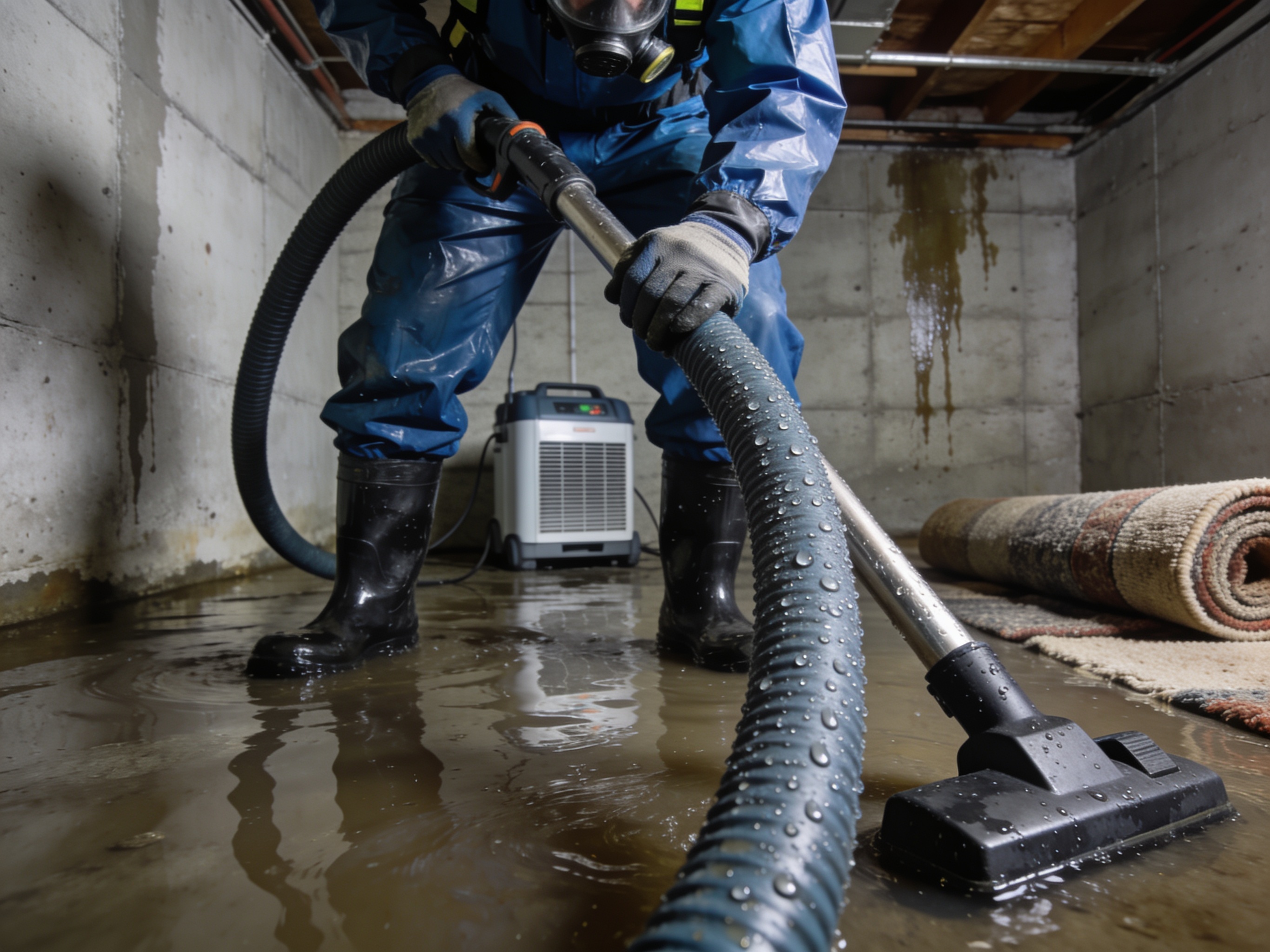
Buffalo's humid continental climate brings heavy lake-effect snow that melts fast in spring and during January thaws, pushing water into older basements across Allentown and Broadway-Fillmore. Many homes built before 1950 have fieldstone or early concrete foundations that crack and let groundwater in quickly once the snow load hits. Emergency water removal here starts with high-volume pumps and air movers placed to pull moisture from joist pockets before it reaches the Buffalo Niagara Medical Campus area properties with shared walls.
In neighborhoods like Black Rock and Riverside, narrow lots and clay-heavy Erie County soil slow natural drainage, so a single burst pipe can leave inches of water trapped under finished floors for days. Technicians check for hidden pockets behind plaster walls common in University Heights and Kaisertown, then use moisture meters to map saturation without tearing out more material than needed. Delaying extraction even 24 hours often forces replacement of subfloors that could have been saved with same-day drying.
Nearby cities such as Amherst and Cheektowaga see similar issues from rapid snow melt running off paved surfaces into low-lying homes. Crews coordinate with local codes that require proper disposal of extracted water to avoid overloading combined sewers during peak events. Work stops only after readings show moisture levels below 12 percent in affected lumber, preventing hidden mold growth that shows up months later in Lovejoy row houses.
Technician insight
In Buffalo the thing that catches most people out with Emergency Water Removal is how fast lake-effect snow melt finds the gaps in 1920s fieldstone foundations along streets like those in Black Rock; homeowners often wait until the floor feels soft, but by then the joists behind the plaster have already taken on enough moisture that a simple pump job turns into subfloor replacement.
South Buffalo Basement After Rapid Thaw
A homeowner in South Buffalo called after a January warm spell sent meltwater through a cracked foundation wall. Extraction crews found eight inches against the rear wall with water already wicking into the oak subfloor. Pumps cleared the volume in four hours, then drying equipment ran for three days until meter readings confirmed safe levels, allowing the owners to keep the existing flooring.
Emergency Water Removal Services We Offer
✓Basement Flood Extraction
High-capacity pumping and debris removal from flooded basements in older Buffalo homes where lake-effect melt or sewer backup leaves standing water against stone foundations.
✓Burst Pipe Water Removal
Targeted extraction after supply line failures common in pre-war housing stock across Elmwood Village and Allentown, followed by drying of joists and plaster walls.
✓Appliance Leak Cleanup
Rapid removal of water from washing machine or water heater failures that spread across finished floors in South Buffalo and North Buffalo single-family homes.
✓Storm Water Extraction
Post-rain or snow-melt removal from yards and crawl spaces in Riverside and Kaisertown where clay soil holds moisture against foundation walls.
✓Crawl Space Drying
Extraction and dehumidification in low-access areas under University Heights and Lovejoy properties where standing water leads to wood rot if left untreated.
Emergency Water Removal Cost in Buffalo, NY
| Service | Typical Range | What Affects It |
|---|---|---|
| Initial Extraction Visit | $350–$650 | Varies with square footage and whether basement stairs limit pump placement in older Allentown homes. |
| Per Room Drying Setup | $200–$400 | Includes equipment placement and first 48 hours; extra days add cost in high-humidity periods after lake-effect events. |
| Crawl Space Extraction | $450–$850 | Higher when low clearance in Riverside properties requires smaller equipment and longer setup. |
| Emergency After-Hours Call | $150–$250 | Added to base service for nights or weekends outside Mon–Fri 8am–6pm and Sat 9am–2pm hours. |
Ranges are typical for Buffalo, NY and confirmed with an exact written quote before any work starts.
How it works
- 1
Arrival And Safety Check
Technicians arrive at the Buffalo address, shut off water sources, and assess electrical risks before any equipment enters the affected space.
- 2
Standing Water Removal
High-volume pumps and wet vacuums extract visible water from basements and floors in Allentown or South Buffalo homes, directing it to approved drainage points.
- 3
Moisture Mapping
Infrared and pin meters locate hidden saturation behind walls and under subfloors common in Erie County older stock before drying begins.
- 4
Drying And Monitoring
Air movers and dehumidifiers run until readings drop below target levels, with daily checks to confirm progress on the specific job.
Pricing
Pricing depends on water volume, access difficulty, and how many rooms require drying; most Buffalo jobs fall into standard residential ranges shown below.