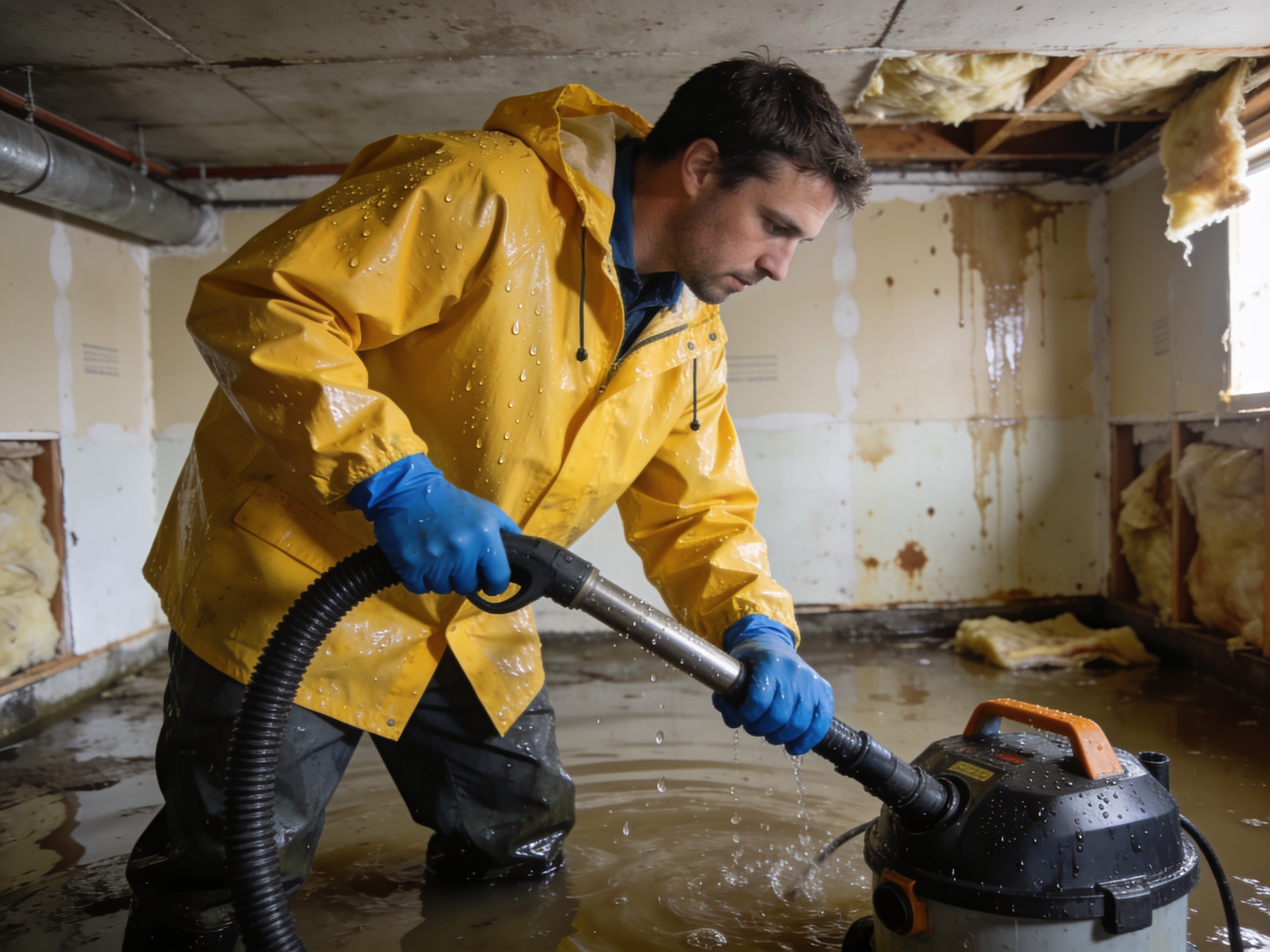
Buffalo's older housing stock in neighborhoods like Allentown and Broadway-Fillmore often features plaster walls and balloon framing that trap moisture deep behind surfaces after a flood or pipe failure. Lake-effect snow melts quickly in spring, sending water into basements along low-lying streets in South Buffalo and Riverside where the soil stays saturated. Crews must pull baseboards early and use moisture meters on brick foundations common in Kaisertown to prevent hidden mold growth that code enforcement in Erie County now flags during inspections.
Heavy winter snow loads on flat roofs in University Heights and Lovejoy frequently cause ice dams that push water under shingles and into attics. Once inside, the humid continental climate keeps interior humidity high, so dehumidifiers sized for 1,500-square-foot homes run for days longer than in drier regions. Technicians route hoses through side doors on narrow Elmwood Village lots to avoid damaging original hardwood floors while pulling standing water from crawl spaces under North Buffalo bungalows.
Commercial buildings near the Buffalo Niagara Medical Campus and Canalside face different challenges when storm drains back up during heavy lake-effect events. Slab-on-grade construction means water migrates under epoxy coatings and into electrical trenches, requiring infrared scans before any drying equipment is placed. Homeowners in Cheektowaga and Amherst often see water travel from shared driveways into finished lower levels, so cleanup plans include checking neighboring properties to stop cross-contamination.
Technician insight
In Buffalo the thing that catches most people out with water damage cleanup is how quickly lake-effect snow melt travels under the brick foundations common in Black Rock and Kaisertown. Homeowners often stop at the visible puddle in the basement and miss the moisture that has wicked up two feet into plaster walls, which then needs targeted drying or it returns as mold by July.
Ice Dam Leak in University Heights Attic
Heavy March snow melt pushed water under shingles on a two-story home near the university. We found saturated insulation along the north wall and moisture in second-floor ceilings. Extraction and drying equipment ran for four days, after which readings stayed under 10 percent and the homeowner avoided ceiling replacement.
Water Damage Cleanup Services We Offer
✓Basement Water Extraction
Removes standing water from flooded basements in South Buffalo and Riverside before it damages furnaces or electrical panels common in pre-1950 homes.
✓Attic Drying After Ice Dams
Targets moisture trapped in attics of Lovejoy and University Heights houses where melting snow has pushed under shingles and soaked insulation.
✓Plaster Wall Moisture Removal
Drills weep holes and uses air movers behind historic plaster in Allentown and Elmwood Village properties to dry cavities without full demolition.
✓Crawl Space Water Cleanup
Extracts water and installs vapor barriers in North Buffalo and Black Rock crawl spaces where high water tables keep soil damp year-round.
✓Commercial Slab Drying
Uses floor mats and dehumidifiers on concrete slabs at medical campus and Canalside buildings after drain backups to protect wiring and finishes.
Water Damage Cleanup Cost in Buffalo, NY
| Service | Typical Range | What Affects It |
|---|---|---|
| Initial basement extraction visit | $450–$900 | Higher when water reaches electrical systems in South Buffalo row houses |
| Full-home drying package | $1,200–$2,800 | Includes equipment for 3–5 days on plaster homes in Allentown |
| Crawl space or attic only | $600–$1,400 | Lower cost when limited to one level in North Buffalo bungalows |
| Commercial slab drying | $2,000–$4,500 | Reflects larger square footage near the medical campus |
Ranges are typical for Buffalo, NY and confirmed with an exact written quote before any work starts.
How it works
- 1
On-Site Assessment
Technicians arrive from the Gruner Road shop, map water migration through the specific Buffalo neighborhood, and document affected materials before equipment setup.
- 2
Water Extraction
Pumps and wands remove standing water from basements and crawl spaces while protecting original floors in older Erie County homes.
- 3
Structural Drying
Air movers and dehumidifiers run until moisture readings drop below 12 percent on plaster, drywall, and joists typical in Buffalo construction.
- 4
Final Inspection
Return visit confirms no hidden moisture remains and provides documentation for homeowners dealing with insurance adjusters in Amherst or Cheektowaga.
Pricing
Most Buffalo water damage cleanup jobs fall into these ranges depending on water volume, affected square footage, and whether hidden cavities in older homes require extra drying time.